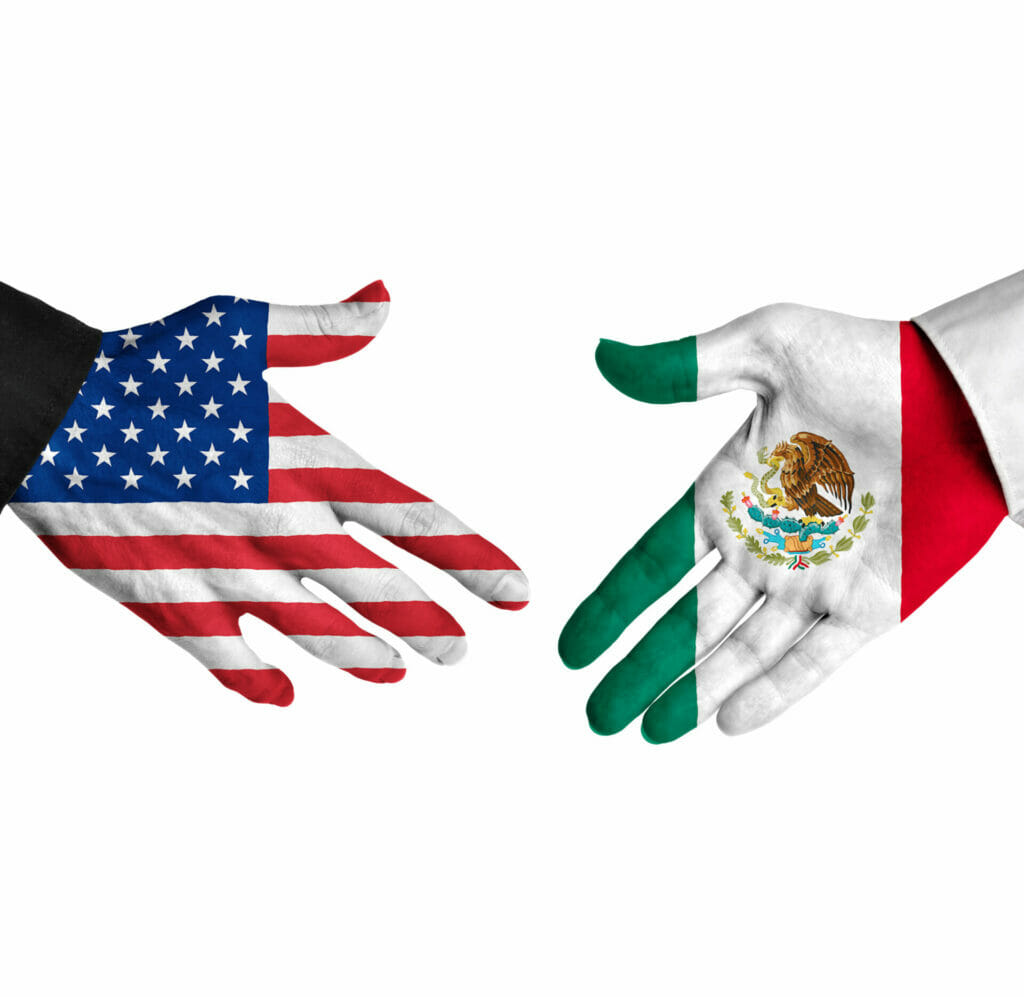
Baseball Diplomacy and the State of U.S.-Mexico Cooperation
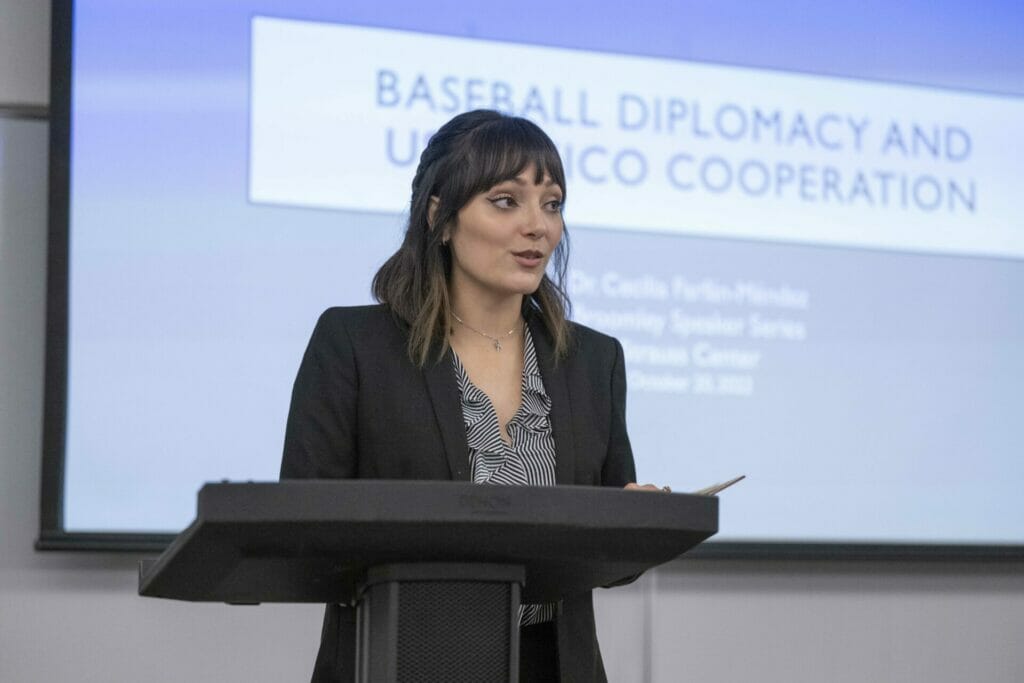
On Thursday, October 20th, the Strauss Center hosted Dr. Cecilia Farfán Méndez, Head of Security Research Programs at the Center for U.S.-Mexican Studies at UC San Diego, for a talk on “Baseball Diplomacy and the State of U.S.-Mexico Cooperation.” This talk was held at the LBJ School of Public Affairs as part of the Strauss Center’s Brumley Speaker Series.
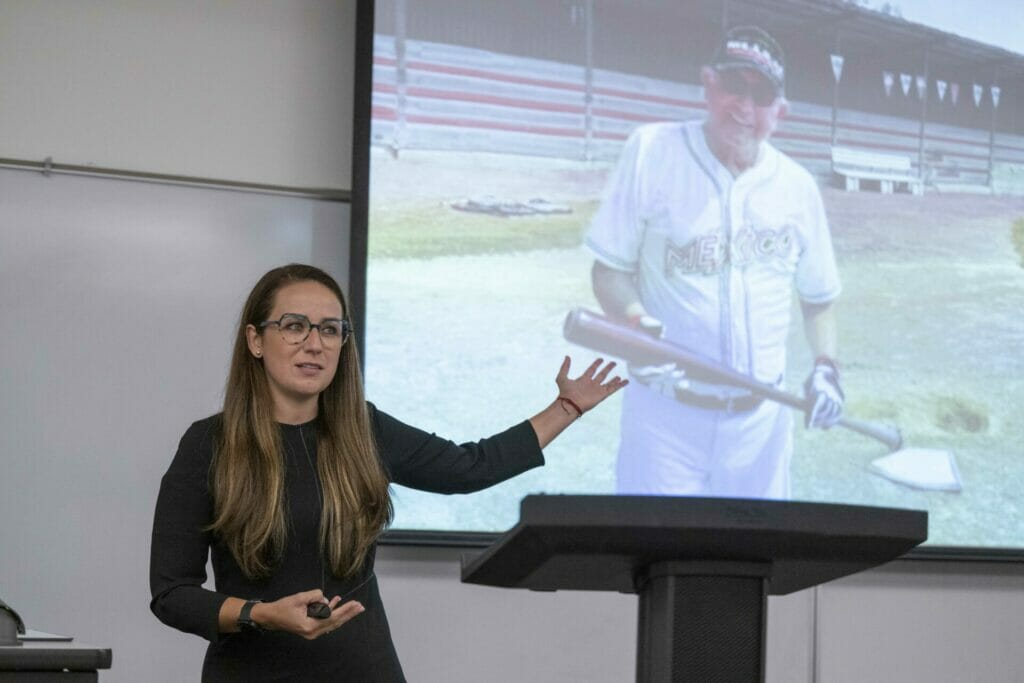
Her talk was broken down into three sections: the current context, the historical context, and the path forward. When discussing the nature of the problems facing the U.S.-Mexico relationship, Dr. Farfán emphasized that the average homicide rate globally is six per 100,000 people, but in Mexico it has ranged from 17-26 per 100,000 in the past few years. To address this, Mexico recently declared that it has a forensic crisis, within which over 100,000 people have disappeared and over 50,000 people remain in government custody unidentified.
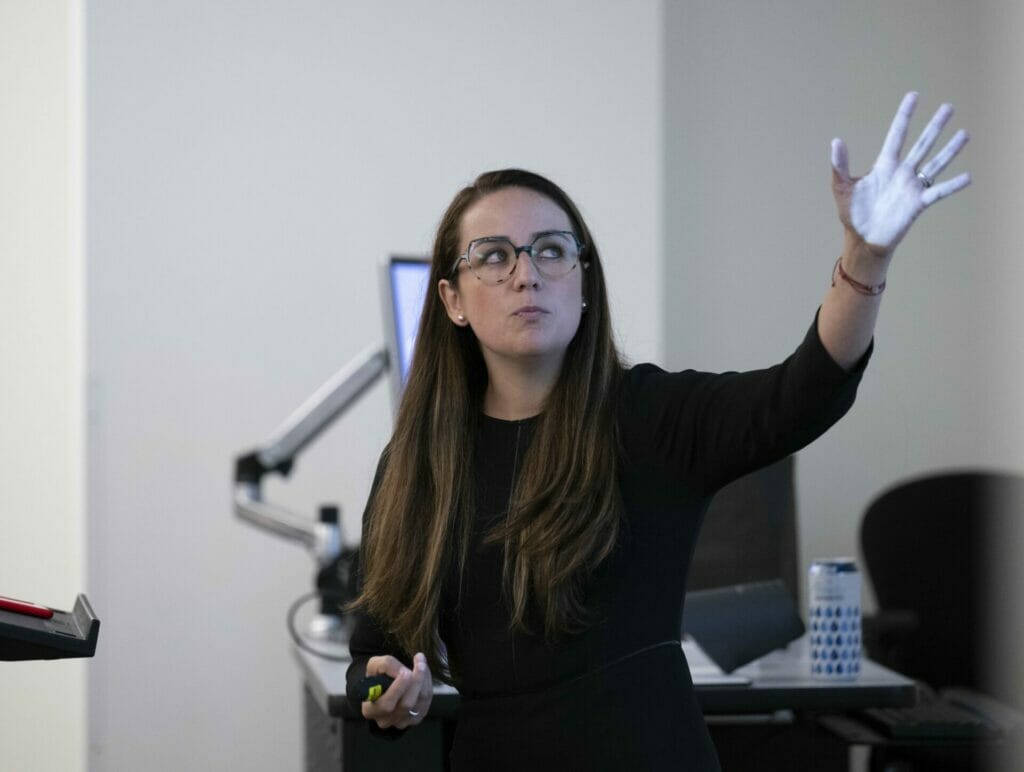
She noted that from 1969-2006, the U.S.-Mexico relationship was built on unilateral measures, through which each government acted independently. This arrangement then shifted to ad-hoc agreements and high-level contact groups among top level officials. In 2007, the U.S. and Mexico signed the Mérida Initiative, which lasted through 2021. It entailed a shared responsibility, adopted a broad definition of security beyond only addressing narcotics, and institutionalized bilateral cooperation between both countries.
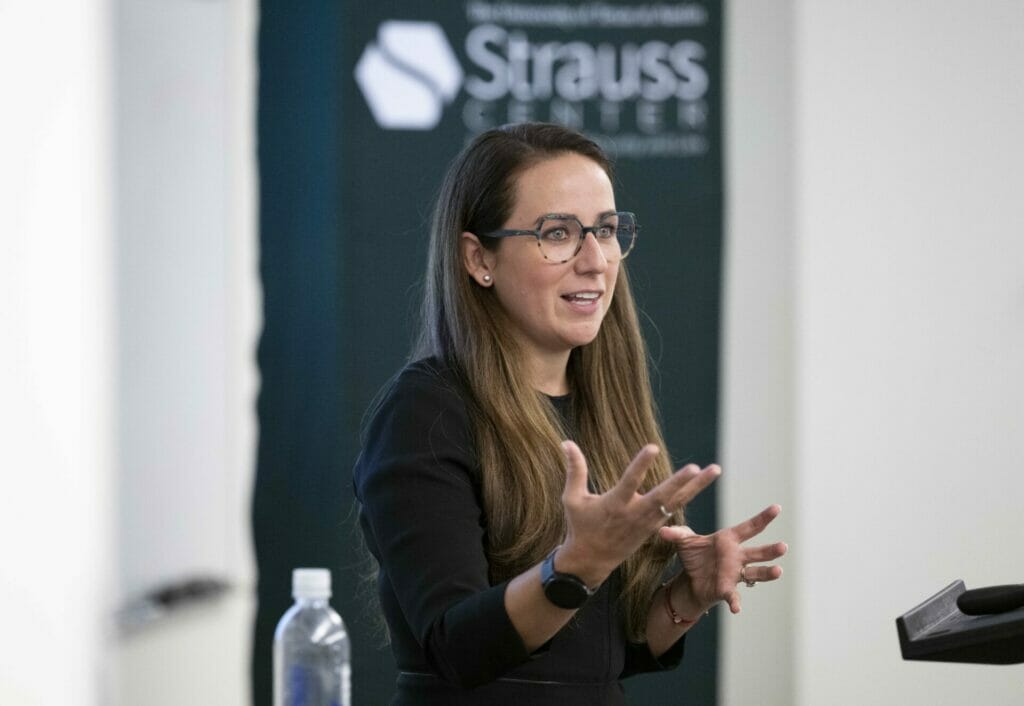
Dr. Farfán mentioned that some of the challenges are a lack of implementation of the policies in the Initiative, or the use of bureaucracy as a mechanism to stall implementation. However, the U.S.-Mexico Bicentennial Framework poses a new opportunity to strengthen the relationship between the U.S. and Mexico. For example, she attributes that Fentanyl Task Force as a success. She also emphasized the need to turn and question the role of the military in civil society as they have begun to provide security in airports, building banks, and building the Maya train.
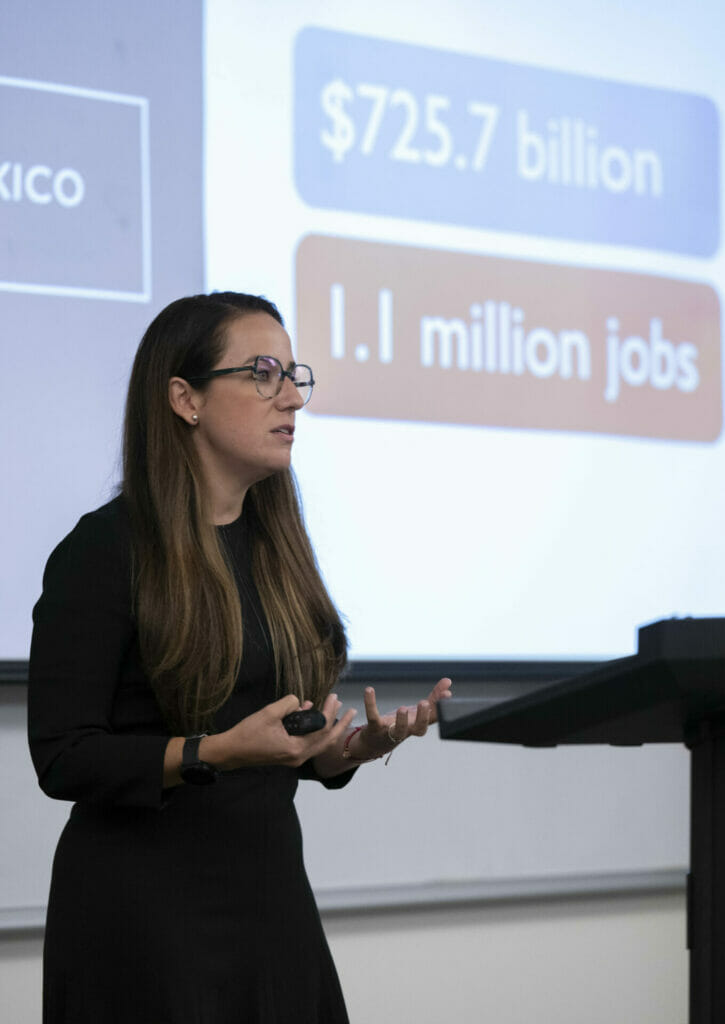
Dr. Farfán also emphasized the need to talk about these issues as they have real, traumatic, and human implications. For many of us, these issues are not just across our border, but they are at home. Her talk was a testament to her commitment to achieve sustainable change and uplift the voices of people who have been affected by violence.
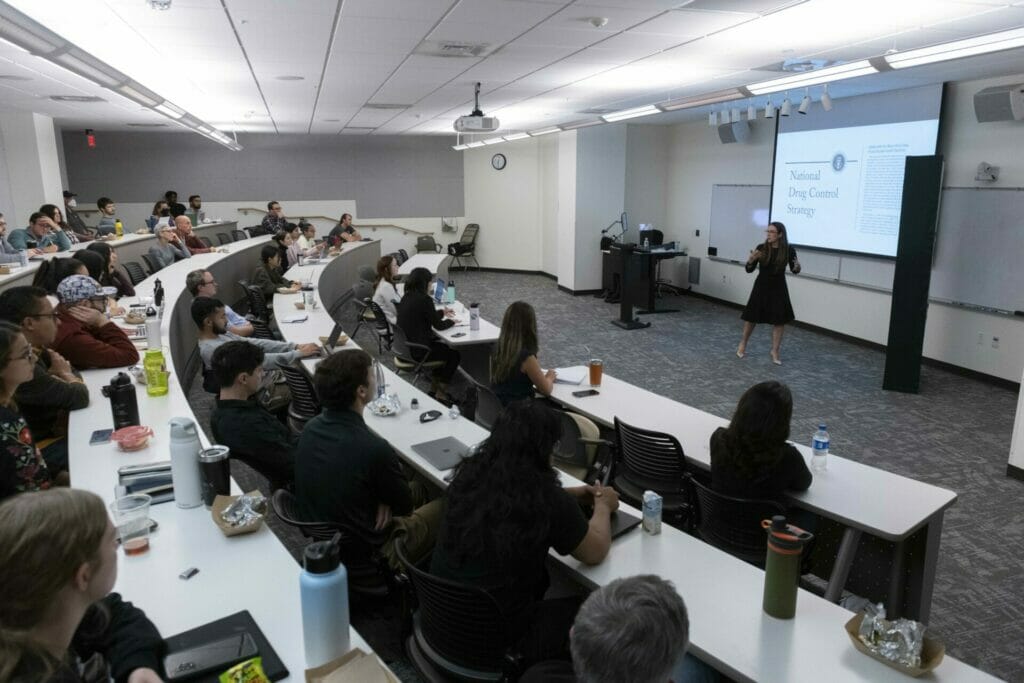
This event was free and open to the public, attended by members of the UT community, along with students, faculty, and staff from across the Forty Acres. Special thanks to Brumley Fellow Maureen Rendon for moderating this event.
Biography
Cecilia Farfán Méndez, Ph.D., is Head of Security Research Programs at the Center for U.S.-Mexican Studies at the University of California San Diego. She is also an affiliated researcher with the Center for Studies on Security, Intelligence, and Governance (CESIG) at the Instituto Tecnológico Autónomo de Mexico (ITAM) based in Mexico City.
Farfán is an expert on organized crime and female participation in criminal groups. She co-founded the Mexico Violence Research Project, an online platform providing analysis and resources for journalists and policymakers on violence and organized crime in Mexico. Since 2020, she has co-chaired the Public Security and Public Health working group of the U.S.-Mexico Forum 2025, led by USMEX.
In addition to her formal academic initiatives, Farfán has consulted for the United Nations Office on Drugs and Crime, is a columnist for Mexico Today, and is a member of the Global Initiative Against Transnational Organized Crime, the Urban Violence Research Network, and the strategy committee for the Journal of Illicit Economies and Development.
Farfán received her doctorate in political science from the University of California Santa Barbara, her master’s degree in international affairs from Columbia University’s School of International and Public Affairs, and her bachelor’s degree in international relations from the Instituto Tecnológico Autónomo de México (ITAM). She has been a recipient of several research fellowships including the Fulbright Program, the UC Institute on Global Cooperation, and Mexico’s National Council on Science and Technology.