The Robert S. Strauss Center for International Security and Law welcomed Michael Nash, director of Climate Refugees to a screening of the film on November 18, 2010. Don Howard, Assistant Professor of Radio-Television-Film Program, Dr. Catherine Weaver, Associate Professor of Public Affairs and Strauss Center Research Coordinator, and Laura Jones, Strauss Center Senior Program Coordinator, participated in a panel discussion following the screening.
Climate Refugees examines the complex and dynamic relationship among global overpopulation, resource shortage and the effects of climate change. The film surveyed the varied, and often disastrous, effects of climate change on modern civilization. It featured interviews with an eclectic mix of scientists, activists, political leaders, and ordinary people affected by climate change. Filmed over a period of three years and in locations spanning the globe, Climate Refugees is both an indictment of the world’s refusal to comprehensively address climate change and a call to action.
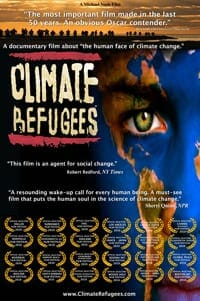
Following the film, the panelists shared their reactions and offered commentary on the film. Mr. Nash described the many challenges he encountered in making the film, noting that he did not set out to make a film about climate change, but was compelled to do so upon learning of its vast and varied consequences on the world’s population. Mr. Nash also discussed the film’s reception, suggesting the issue of climate change is increasingly becoming a concern of policymakers from all political persuasions. He noted some surprising favorable reactions to the film from audiences not typically associated with environmentalist causes.
Panelists remarked on the film’s visceral impact, discussing how, by focusing on ordinary people who have suffered as a result of climate change, the film personalizes a problem of global proportions and makes a compelling case for addressing the issue. The panelists then fielded questions from the audience regarding the primary impediments to convincing policymakers of the need to address climate change, the cultural and political forces informing the way people across the globe view climate change, and the possibility of the international community coming to a consensus on climate change in the near future.