
On September 30, 2014, The Robert S. Strauss Center for International Security and Law welcomed the 2014 Crook Fellowship awardees, who presented their experiences working abroad in various organization focused on development work during the summer. Strauss Center Director Robert Chesney introduced the event, which in part commemorates Ambassador William H. Crook’s passion for public service and the fight against poverty.

The William H. Crook Program in International Affairs is an endowed program at the Robert S. Strauss Center for International Security and Law dedicated to promoting global economic development and fighting poverty. It sponsors innovative research on global poverty and awards grants to talented students spending their summers abroad in the developing world, interning with nonprofit organizations. Since 2008, the program has funded over 50 student internships in Africa, Asia, Eastern Europe, and Latin America. Crook Fellows work in the field, interacting with local communities to better understand and combat the underlying causes of poverty.
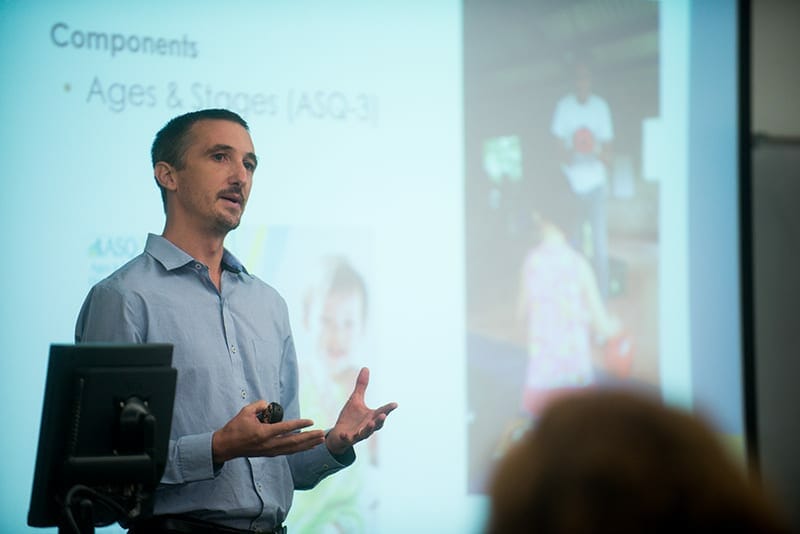
John Dinning interned with Save the Children in El Salvador this summer. He helped assess the impact of past and current Save the Children initiatives through the Monitoring, Evaluation, Accountability, and Learning program. His biggest surprise in the field was how expensive program evaluations could be with respect to the amount of information that was fed back into programs. John also discussed the importance of advocacy work performed by well-established organizations like Save the Children to support governmental projects.

Annie DuPre spent her summer in Cape Town, South Africa with the Economic Policy Research Institute and the United Nations Association of South Africa (UNASA). Annie’s work involved research and policy analysis on topics ranging from micro-insurance for orphans and vulnerable children, to maternity benefits for women in Ghana, to the “Freedom from Violence” project. This experience impressed upon her the relevance of developing appropriate monitoring techniques when implementing public policies.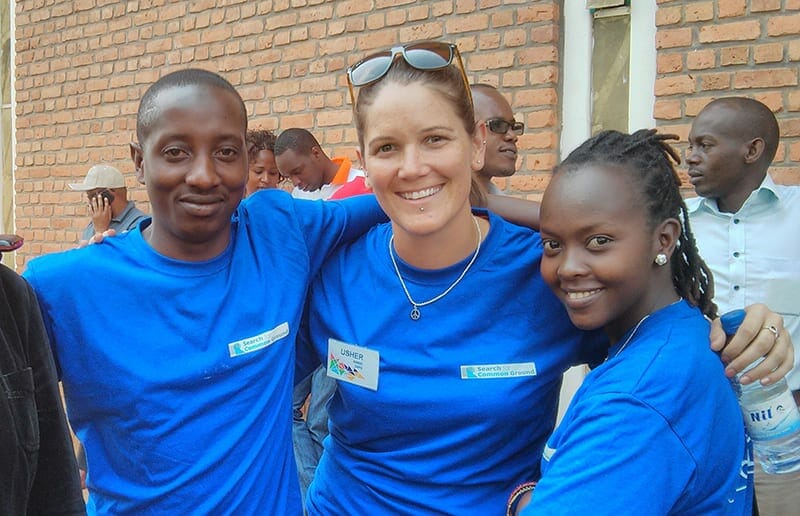
Rachel Markowitz worked with Search for Common Ground in Kigali, Rwanda. She collaborated with a number of the organization’s projects related to conflict management strategies, especially those related to the use of media outlets and sports. Through this experience, Rachel became more involved with the non-governmental world in Sub-Saharan Africa, and gained important program management skills.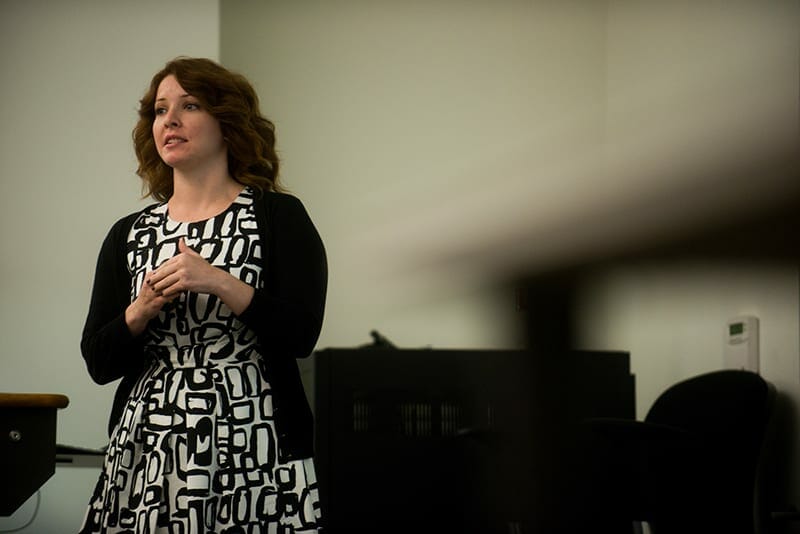
Meredith Maulsby spent her summer in Addis Ababa, Ethiopia, working with USAID and one of its NGO contractors, FHI360, on projects related to family planning for underserved populations in the country. Meredith discovered differences in the ways in which USAID and its implementing partners work on the ground, as well as some of the limitations that organizations face when implementing development projects.

Benjamin Mauro interned with Humanure Power, an NGO that seeks to implement sustainable sanitation infrastructure by building community toilet blocks in rural India. He was based in Bihar, where he coordinated Humanure Power’s initiatives with local government officials, with the aim of scaling up the project to additional regions. His activities involved helping construct a community toilet block, meeting with local leaders, and developing public education campaigns.
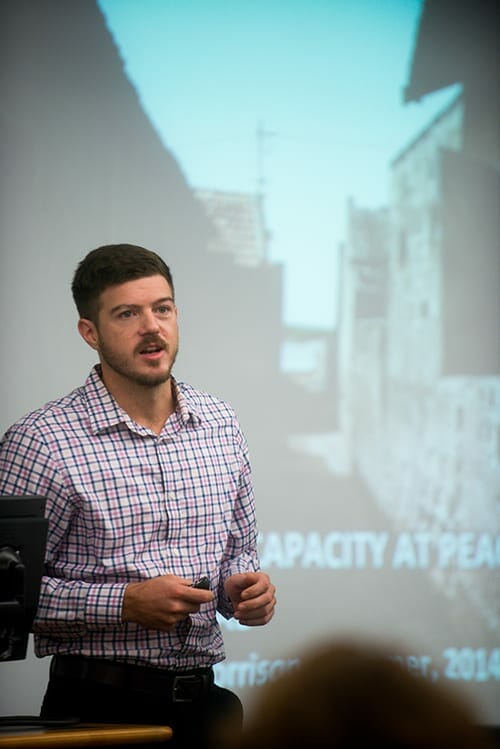
Peter Morrison spent the summer in Dakar, Senegal with an internship with the Peace Corps. He was involved in two primary projects: analyzing 2013 project impact data from Peace Corps volunteers throughout the country, and conducting research on the implementation barriers to pre-existing projects. Peter produced a final document to help the organization improve volunteer training, among other goals. He perceived how having staff “on board” with projects improved the speed of implementation.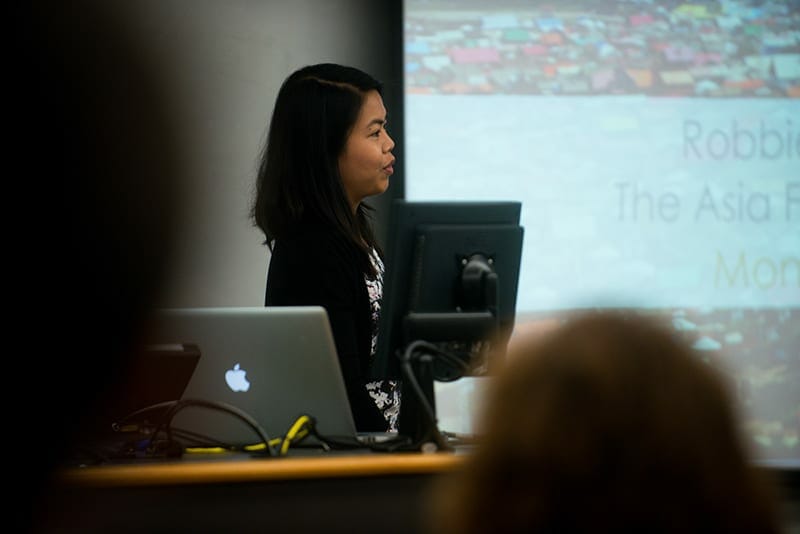
Robbie Paras interned in Ulaanbaatar, Mongolia this summer with the Asia Foundation.She worked on three interrelated projects, focused on women’s entrepreneurship and economic empowerment, in partnership with National Committee on Gender Equality, the Mongolian Women’s Farmer’s Association, and Ulaanbaatar’s Economic Development Agency. In particular, she enjoyed collaborating on a project that trains low-income women on how to engage in successful organic, small-scale farming.
For more information about the Crook Fellowship program, see here.